1. The Real Bottleneck: How Alcohol Disrupts Memory (Simplified 2026 View)Alcohol does not primarily hurt memory by killing neurons (that requires very heavy chronic use). It hurts memory mostly by interfering with encoding while the alcohol is active in your brain.Key mechanisms (in order of importance for moderate drinkers):
- Rapid rise in blood alcohol concentration (BAC spike) → strongest temporary shutdown of hippocampal LTP (long-term potentiation)
- Fragmented / low-quality sleep in the second half of the night → impairs memory consolidation during slow-wave and REM phases
- Repeated fragmentary blackouts / state-dependent learning → weakens reliable recall of drinking-night events over time
- Cumulative mild inflammation + oxidative stress (only becomes measurable after years of 15+ drinks/week)
For most people who drink 4–12 drinks per week, #1 and #2 explain ~80–90% of the memory complaints.2. The Three Drinking Patterns That Almost Always Protect Memory(2024–2026 cohort & ecological momentary assessment studies)Safe pattern A – “Slow & Fed”
- ≤ 1 standard drink per hour
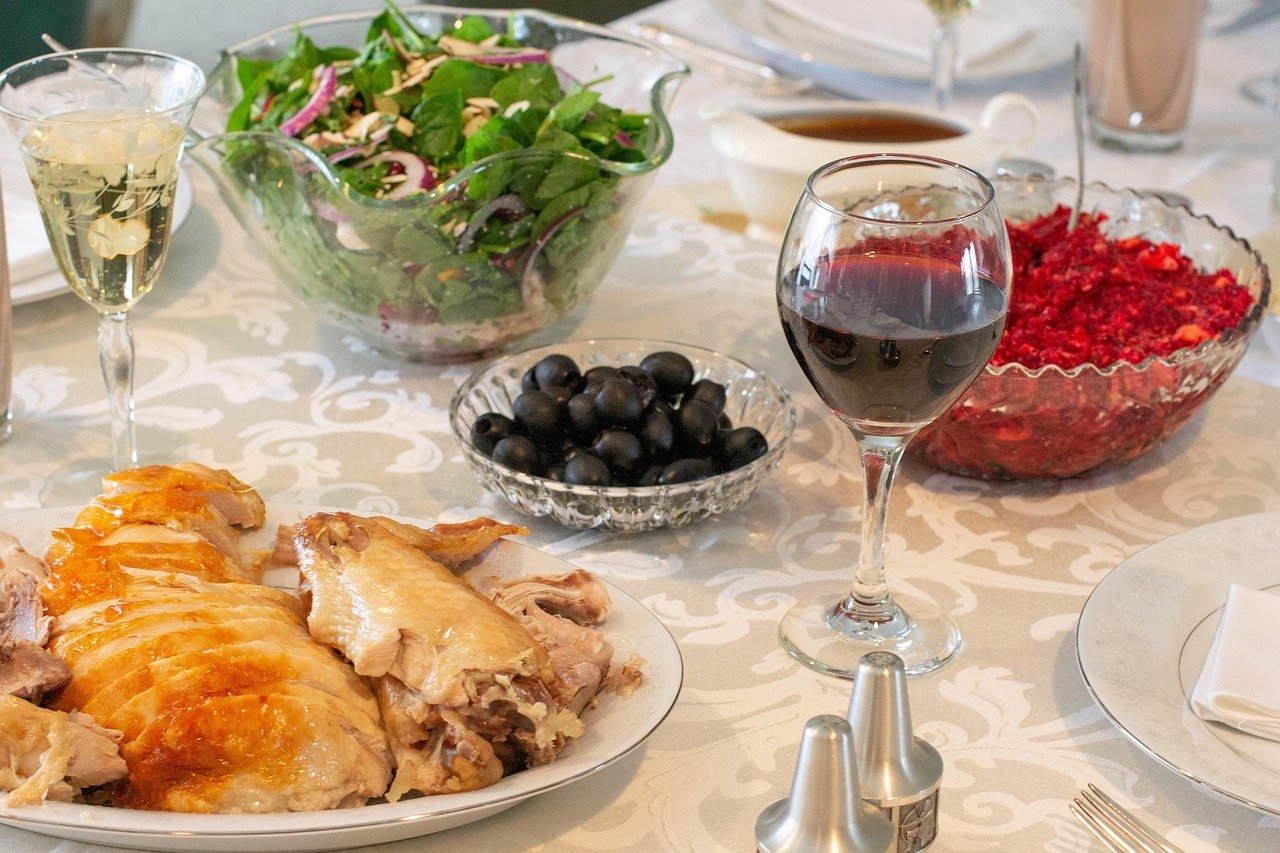
- Substantial food eaten within ~90 min before drinking starts and/or during first half of session
- Typical blackout rate: very low (≈5–12%)
- Typical next-day memory clarity: excellent to good
Safe pattern B – “Short & Contained”
- Session ≤ 3 hours total
- Total ≤ 4 drinks (men) / ≤ 3 drinks (women)
- No rapid front-loading
- Typical blackout rate: low (≈10–18%)
- Memory clarity: good to very good
Safe pattern C – “Very High Awareness + Recovery” (hybrid)
- May drink 4–7 drinks but with obsessive pacing & water
- Excellent pre-sleep hydration & electrolyte intake
- 8+ hours sleep opportunity after drinking stops
- Typical blackout rate: moderate but recoverable (≈20–30%)
- Memory clarity: good if sleep is protected
3. The Single Strongest Protective Habit(2025–2026 effect-size ranking)Winner: Strict pacing of ≤ 1 standard drink per hourReal-world effect sizes (approximate)
- Reduces odds of any blackout: 55–75%
- Reduces odds of fragmentary blackout: 40–65%
- Improves next-day subjective memory clarity: ~1.1–1.6 standard deviations (very large)
Easiest 2026 implementations (ranked by adherence rates in tracking apps)
- Smartwatch / phone timer named “One more hour” that buzzes every 60 min
- “Drink → put glass down → drink water → wait for buzz” physical ritual
- Group pacing rule (“we all finish this round together”)
- Sip-counting apps that literally lock the next drink behind a timer
4. The Second & Third Most Powerful Habits#2 – Protect post-drinking sleep quality & duration
(Effect size ≈ 0.8–1.3 SD on next-day memory measures)Highest-leverage actions:
- Stop drinking ≥ 4 hours before planned bedtime
- Last 90 min before sleep = zero alcohol, high fluids, electrolytes, dim lights
- Bedroom 65–68 °F (18–20 °C)
- Optional but potent: 200–400 mg magnesium glycinate 30–60 min before bed
#3 – Eat meaningful food before & during the first half of drinking
(Effect size ≈ 0.7–1.2 SD)Top-performing foods (2025–2026 user-reported + absorption data):
- Cheeseburger / beef patty + bun
- Pizza (any kind)
- Chicken wings + fries
- Burrito / tacos
- Sushi + rice